

Jaw Fracture
Jaw Fracture
Jaw fracture(s) occur from facial trauma (dog bite, fall) or due to bone loss associated with tooth and gum infections. Click to learn about tooth fracture.

Originally published by Stephen Juriga, DVM · part of the AOSN network.
Signs you might notice
What you need to know
These patients must be evaluated under anesthesia to determine the best treatment method.
What's really going on
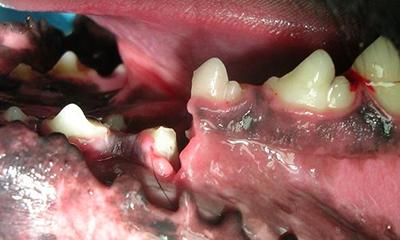
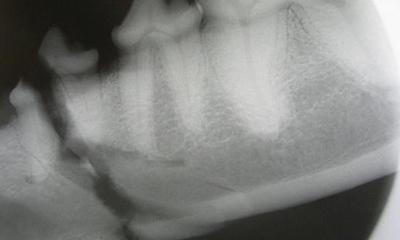
Facial trauma and bone loss around diseased teeth can result in fractures of the upper and lower jaw. Patients that have experienced trauma (fall, dog bite, car accident) are initially stabilized with fluids, pain medication, antibiotics, and chest or skull x-rays. An accurate treatment plan can only be developed after an evaluation under anesthesia that includes: evaluation of tooth structures, bone and major blood vessels/nerves using dental x-rays, skull x-rays and in some cases CT imaging.
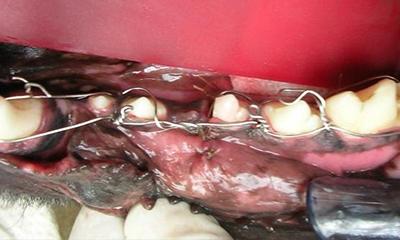
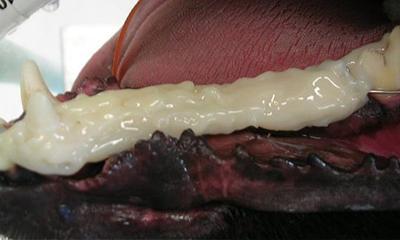
A veterinary dentist will utilize techniques that are minimally invasive, focus on tooth/jaw alignment, allow rapid return to eating/function and retain as many teeth as possible. Techniques include selective extractions, pulp capping, bone grafting, interdental wiring, intraoral composite splints, bonding of teeth and in some cases titanium plates.
How it may look
How a specialist helps
Schedule an appointment to have your pet evaluated by clicking on the “Get In Touch with Us” button.
Possible therapy / treatment
Get help for your pet
Request a visit with our team and we'll take it from here.