

Gum Recession
Gum Recession
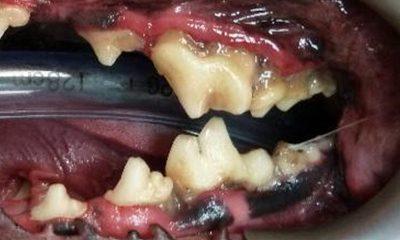
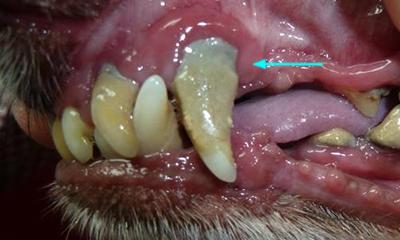
Receding gums is a sign of a gum and bone infection.

Originally published by Stephen Juriga, DVM · part of the AOSN network.
Signs you might notice
What you need to know
Inflammation and loss of gum tissue will expose root surfaces.
What you need to know
The condition is also associated with bone and tooth loss.
What you need to know
Dental x-ray is needed for decision making and to examine for further bone loss beneath the surface.
What's really going on
Gum recession is the result of bacterial infection and destruction of gum tissue. There is an associated loss of bone and exposure of the root surface. Dental x-rays and probing will reveal more bone loss that is visible and many of these teeth and adjacent teeth will be extracted.
Dental x-rays and probing are used to evaluate the extent of the bone loss. A treatment plan is developed and may include: root planning, antibiotic implants, bone grafting or extraction therapy. When extractions are performed, a surgical technique is utilized to minimize pain, prevent root fracture or complications and attain optimal healing. Pre and post cleaning photographs will be shared to illustrate treatment and to develop an oral health plan.
How it may look
How a specialist helps
Treatment may include root planing, antibiotic implants, bone grafting or extraction therapy. Pre and post cleaning photographs will be shared to illustrate treatment and to develop an oral health plan.
Schedule an appointment to have your pet evaluated by clicking on the “Get In Touch with Us” button.
Get help for your pet
Request a visit with our team and we'll take it from here.