

Discolored Tooth
Discolored Tooth
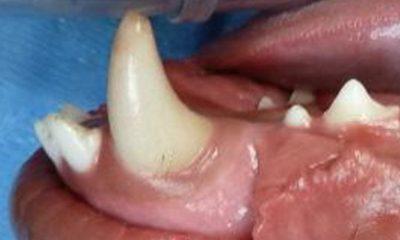
If one or more of your pet’s teeth are discolored, it is an indication of previous tooth trauma/injury which may lead to tooth death.

Originally published by Stephen Juriga, DVM · part of the AOSN network.
Signs you might notice
What you need to know
Discoloration of teeth is evidence of pulp inflammation and bleeding.
What you need to know
Studies show that 92% of discolored teeth are non-vital or dead.
What you need to know
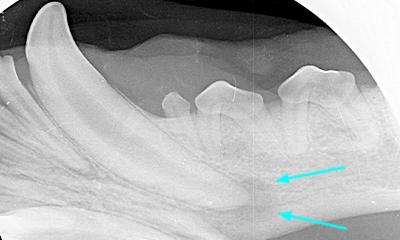
Over time these teeth may become infected or develop root disease.
What's really going on
The tooth is a rigid structure that centrally contains blood vessels and nerves. When a tooth sustains some forceful trauma it may fracture or it remains intact and becomes discolored. The discoloration is evidence of pulp inflammation and bleeding. Studies show that 92% of discolored teeth are non-vital or dead. Over time these teeth may become infected or develop root disease.
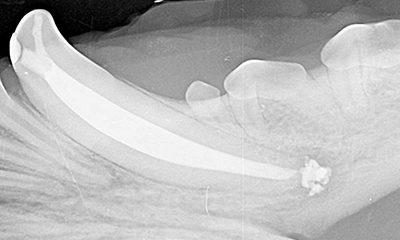
Therapy is performed to prevent pain and infection that may occur over the coming months to years. Root canal therapy is preferred for functionally important teeth (canine teeth), otherwise extraction therapy is recommended for discolored teeth.
How it may look
How a specialist helps
Schedule an appointment to have your pet evaluated by clicking on the “Get In Touch with Us” button.
Possible therapy / treatment
Get help for your pet
Request a visit with our team and we'll take it from here.